Following Keir Starmer’s resignation, Andy Burnham has positioned himself as the frontrunner for the Labour leadership. UK investors may now be asking: could he make changes that will impact a Stocks and Shares ISA?
According to sources, he’s committed to the existing fiscal rules.
That adds some comfort, but other changes may still arise. Chatter suggests the tax debate could shift towards wealth, assets, and investment income — which is where ISA investors should pay attention.
So what do investors need to know if he does become Prime Minister?
Direct changes unlikely
At present, there’s no clear sign that Burnham wants to tear up the basic ISA wrapper. The annual allowance remains £20,000 across all ISAs for 2026/27, so the tax-free shelter is still a major part of the UK savings system.
The bigger risk is gradual tinkering. In practice, a government that wants extra revenue could lower allowances or tighten rules for higher earners, even if that’s not Burnham’s stated priority.
Please note that tax treatment depends on the individual circumstances of each client and may be subject to change in future. The content in this article is provided for information purposes only. It is not intended to be, neither does it constitute, any form of tax advice. Readers are responsible for carrying out their own due diligence and for obtaining professional advice before making any investment decisions.
What is his tax philosophy?
Andy Burnham’s clearest clue is his own language. He’s said:
“We over-tax labour, people’s work, and we under-tax people’s assets”.
That’s important for investors because it points to a system that could lean harder on wealth, property, dividends, and capital gains.
In plain English, I would read that as bad news for assets held outside tax shelters, and better news for people who hold assets in an ISA.
A useful way to think about it is this:
- Cash and shares inside an ISA should stay protected from CGT and dividend tax.
- Investments outside an ISA are more exposed if CGT is reviewed or pushed higher.
- Property-heavy or dividend-heavy portfolios could feel more pressure than salary income.
Which sectors look vulnerable?
Andy Burnham’s politics lean toward stronger state intervention, so utilities are one area I would watch closely. Severn Trent (LSE:SVT) is a good example.
Its preliminary FY26 results showed revenue of £2.83bn, up 16.6%, and net profit of £371m, while the full-year dividend rose 3.5% to 126.02p per share.
Newly-appointed CEO James Jesic said it had “been another year of exceptional growth” during the company’s February trading update.
But the balance sheet is still heavily geared. With about £10.7bn of debt and £1.8bn of equity, it’s sensitive to tougher regulation or tighter price controls.
The utility company, which supplies water to 8 million people across the UK, also says its dividend policy is to grow by CPIH each year.
That mix can work in stable conditions, but is less forgiving if the political mood turns harder.
What investors should watch
For British investors, my simple view is this: an ISA still looks like one of the best defensive wrappers in a Burnham-led Labour era. If tax shifts toward wealth, the shelter becomes more valuable, not less.
But I would be more cautious about concentrated holdings in regulated UK utilities, especially if the policy tone becomes more interventionist.
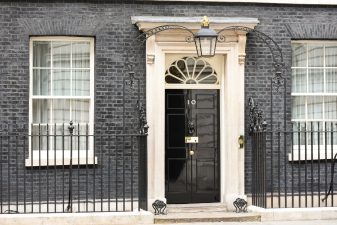
In short, should Andy Burnham enter No.10, it may be wise to consider reducing positions in utility stocks like Severn Trent.
Fortunately, there are several other FTSE 100 stocks that could benefit from his tenure.
Should you invest £5,000 in Severn Trent Plc right now?
When investing expert Mark Rogers and his team have a stock tip, it can pay to listen. After all, the flagship Twelfth Magpie Share Advisor newsletter he has run for nearly a decade has provided thousands of paying members with top stock recommendations from the UK and US markets.
And right now, Mark thinks there are 6 standout stocks that investors should consider buying. Want to see if Severn Trent Plc made the list?
Mark Hartley does not hold any positions in the companies mentioned.