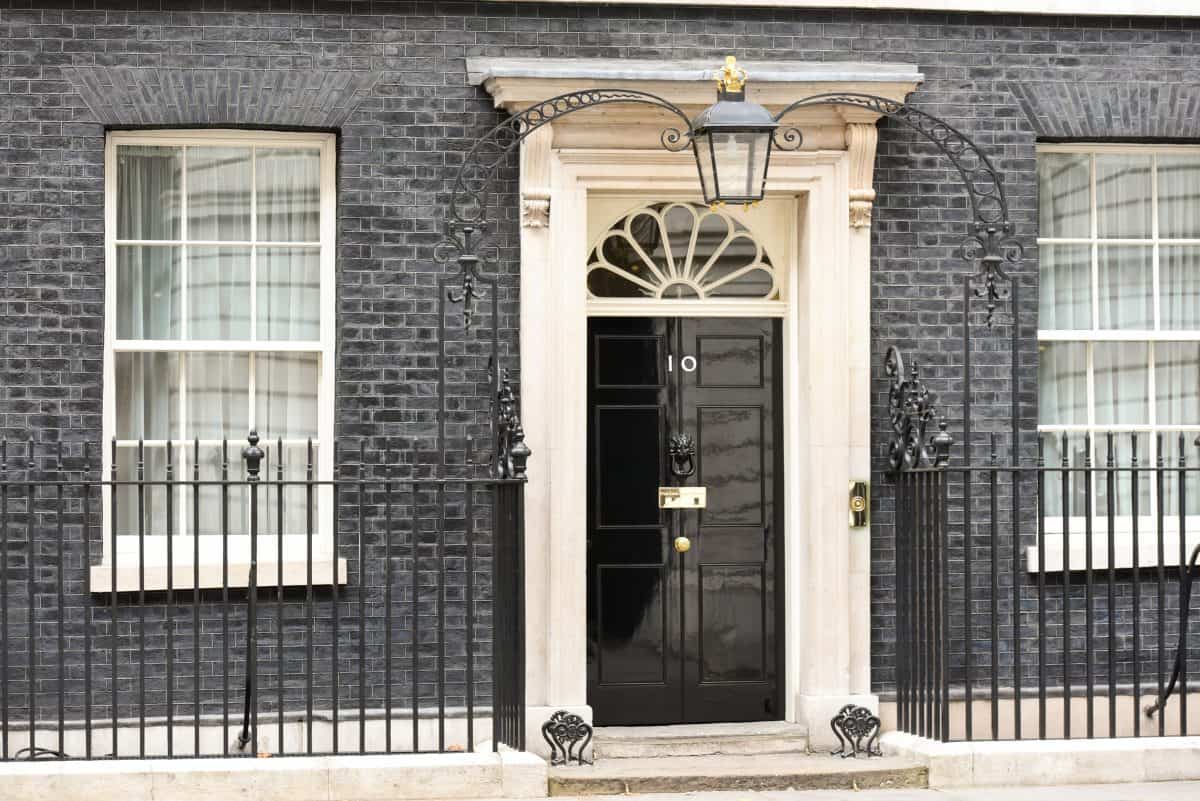
UK stocks and the FTSE 100 have been pricing in political uncertainty for months. The key question for investors now, in my opinion, is whether that change at the top will remove that risk or create a fresh wave of it.
The UK equity backdrop
A couple of years ago, there was a clear sense that UK equities were beginning to re-rate. The combination of attractive valuations and improving sentiment towards domestic financial services helped support the idea that the UK market was becoming more investable for long-term capital.
That narrative hasn’t disappeared, but it has become more complicated.
Different parts of the FTSE 100 are driven by very different sensitivities.
Some areas of the market are highly sensitive to domestic policy and economic conditions. Interest rates, regulation, and fiscal decisions can all have a significant impact on earnings.
Others are driven more by global commodity markets and geopolitical events. For these businesses, UK-specific developments often matter far less.
Against that backdrop, political change doesn’t affect the market in a single direction. Instead, it can influence how investors think about stability, earnings visibility, and the appropriate risk premium applied to UK assets.
The key question is simple. Is the UK entering another phase of renewed re-rating, or are investors becoming more cautious towards UK assets once again?
FTSE 100 bellwether
If I were looking for a FTSE 100 company that could benefit from a renewed re-rating of UK assets, Aviva (LSE: AV.) would be one of my first stops.
The reason is that much of its growth is tied to long-term savings and retirement trends rather than short-term economic cycles.
Britain faces a well-documented retirement savings challenge, with millions of people still not putting enough aside for later life. At the same time, pension assets are expected to triple over the coming decade to almost £5trn as auto-enrolment matures and more wealth moves into retirement products.
Aviva has already worked closely with successive governments on improving retirement outcomes. This includes efforts to widen access to financial advice, encourage long-term saving, and support greater investment across the UK economy.
In many respects, the company sits at the centre of the UK investment story. It not only manages and protects household wealth, but also allocates capital through one of the country’s largest investment portfolios.
A bet on UK plc
That matters because insurers such as Aviva are major investors in government bonds, corporate debt, and infrastructure projects. If confidence in the UK improves and more capital flows into long-term savings products, the company stands to benefit on multiple fronts.
A more stable policy backdrop could also support further pension reform and help channel additional investment into productive parts of the economy.
There are risks, of course. Political uncertainty could delay reform, while weaker economic growth may reduce demand for savings and investment products. Competition across wealth management also remains intense.
Even so, if investors are looking for a company that reflects both the opportunities and risks facing UK assets, I think Aviva is one of the clearest examples in the FTSE 100. The shares remain one investors may wish to consider when assessing the long-term outlook for UK financial services and the wider economy.
Should you invest £5,000 in Aviva Plc right now?
When investing expert Mark Rogers and his team have a stock tip, it can pay to listen. After all, the flagship Twelfth Magpie Share Advisor newsletter he has run for nearly a decade has provided thousands of paying members with top stock recommendations from the UK and US markets.
And right now, Mark thinks there are 6 standout stocks that investors should consider buying. Want to see if Aviva Plc made the list?
Andrew Mackie owns shares in Aviva.