We have some exciting news to share! The Motley Fool UK has now become The Twelfth Magpie -- an independent, UK-owned company, led by our long-serving UK management team — Mark Rogers, Chris Nials and Heather Adlington. In practical terms, it’s the same team you know, now fully focused on serving our UK readers and members.

Just as importantly, our approach remains unchanged: long-term, jargon-free, and on your side. This site is our new home, and there will be extra tweaks made across the coming few days as we settle in. So if anything looks a little off, please bear with us!

The content of this article was relevant at the time of publishing. Circumstances change continuously and caution should therefore be exercised when relying upon any content contained within this article.

Credit card fraud eclipsed by £355m criminal ‘push payment’ scams

Push payment scams have overtaken credit card fraud. Alice Guy investigates what they are, how much criminals have stolen and how you can avoid them.

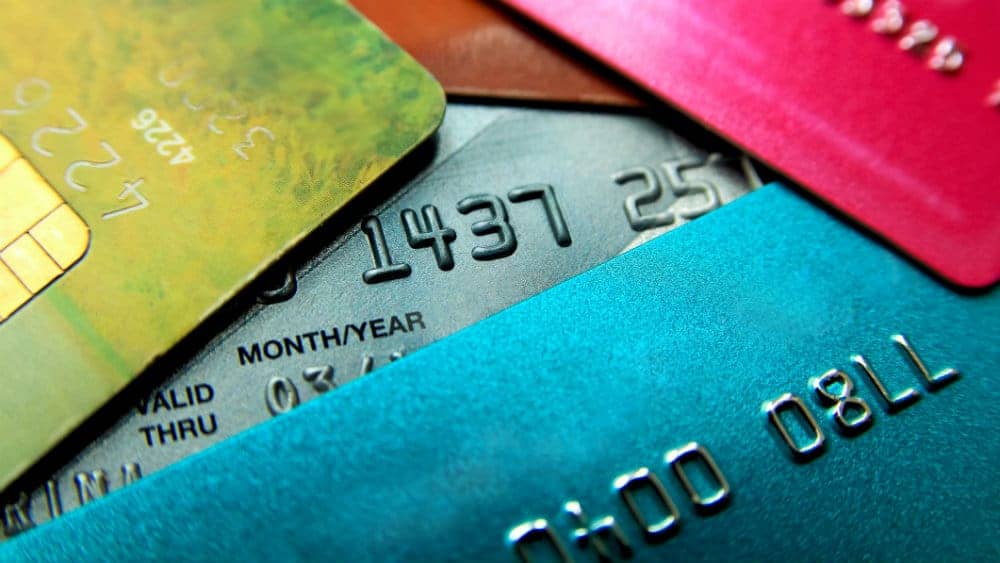
A stack of credit cards piled on top of each other

Image source: Getty Images

You’re reading a free article with opinions that may differ from The Twelfth Magpie’s Premium Investing Services. Become a member today to get instant access to our top analyst recommendations, in-depth research, investing resources, and more. Learn more, and get a free 'Best Buy Now' stock!.

Criminals are always looking out for new ways to steal our money. With banks tightening up on credit card fraud, fraudsters are trying to trick us more directly. 

‘Push payment’ scams involve criminals tricking us into willingly handing over our money to them. According to research from Hargreaves Lansdown, the cost of this type of fraud rose by 71% to £355.3 million in the first half of this year. It’s overtaken credit card fraud for the first time.

Should you buy Rolls Royce shares today?

Before you decide, please take a moment to review this report first. Despite ongoing uncertainties from US tariffs to global conflicts, Mark Rogers and his team believe many UK shares still trade at substantial discounts, offering savvy investors plenty of potential opportunities to learn about.

That’s why this could be an ideal time to secure this valuable research – Mark’s analysts have scoured the markets to reveal 5 of his favourite long-term ‘Buys’. Please, don’t make any big decisions before seeing them.

Here, I take a look at how push payment scams work, how much money has been stolen and how you can protect yourself.

[top_pitch]

How do push payment scams work?

Push payment scams involve criminals tricking victims into directly giving them money. It’s potentially even more distressing than traditional credit card fraud.

The biggest rise in this kind of fraud is impersonation scams. That’s where the criminals call up claiming to be from your bank or from the police. These kinds of cases are up by129% from a year ago. The criminals might tell you that you have been a victim of attempted fraud. In order to protect yourself, they say you need to move your money into a new account, which turns out to be the fraudster’s account, and your money is gone.

The fraudsters will make their approaches seem even more realistic by ‘spoofing’ your bank’s number so it looks like a call is coming from the official number. They may also set up fake websites that look convincing to steal your details so they can tailor the phone call to make you really believe it’s your bank.

Other types of push payment scams include criminals sending fake invoices pretending to be from a tradesperson or school or pretending to be a friend asking for money.

How much money have criminals stolen?

These criminals have stolen around £350 million using these push payment scams in the last year.

In total, including credit card fraud, criminals stole a total of £753.9 million from customers in the first half of this year. It’s up 30% from the same period last year.

The number of push payment fraud incidents involving criminals pretending to be their victims’ bank or the police is up 129% from a year ago.

[middle_pitch]

How can you protect yourself?

Here are some practical tips to protect yourself from fraudsters:

  • Don’t be embarrassed. It’s fine to cut someone off if you think they might be a fraudster. Don’t worry about being rude to a potential criminal!
  • Genuine banks won’t ever call you asking for money. If the person on the other end ask you to do this, then you can be pretty sure it’s a fraudster.
  • If something seems odd then ring off and ring the bank yourself. Make sure you use the number on the back of your bank card. 
  • When you ring back your bank, make sure that you hear a dial tone first. Criminals sometimes stay on the line, meaning that you haven’t really been disconnected.
  • Don’t click through to a website contained in an email asking for payment. Contact your bank directly first to make sure the email is legitimate.
  • If you receive an invoice, contact the organisation it claims to be from directly to check it’s genuine.

What can you do if you’ve been scammed?

If you think you’re a victim of a scam, here are three things you should do:

  • Report it to Action Fraud, which is the national fraud reporting service. You can phone 0300 123 2040 or report it online.
  • Contact your bank straight away to let them know you’ve been scammed. You may be able to get a refund, depending on the circumstances.
  • Change your passwords and PINs on your debit and credit cards so the fraudsters can’t use your details. That way you won’t risk further credit card fraud.


More on Personal Finance

happy senior couple using a laptop in their living room to look at their financial budgets
Investing Articles

Plan to fund your retirement with just the State Pension? Good luck with that!

The UK's State Pension is ranked as one of the worst among the world's developed economies. Consider this alternative to…

Read more »

Note paper with question mark on orange background
Personal Finance

Should you invest your ISA in a model portfolio?

Which model ISA portfolios offer both high performance and low fees? Hargreaves Lansdown, Interactive Investor and AJ Bell go under…

Read more »

Economic Uncertainty Ahead Sign With Stormy Background
Personal Finance

Is it time to exit emerging markets investments?

Investors may well be sitting on losses from emerging markets funds. Is it worth keeping the faith for a sustained…

Read more »

Personal Finance

Share trading? Three shares with turnaround potential

Share trading has been difficult in 2022, but which companies have turnaround potential? Jo Groves takes a closer look at…

Read more »

Man using credit card and smartphone for purchasing goods online.
Personal Finance

Revealed! Why Gen Z may be the savviest generation when it comes to credit cards

New research reveals that Gen Z may be the most astute when it comes to credit cards. But why? And…

Read more »

Environmental technology concept.
Personal Finance

The 10 best-performing sectors for ISA investors

The best-performing sectors over the past year invested in real assets such as infrastructure, but is this trend set to…

Read more »

Road sign warning of a risk ahead
Personal Finance

Recession risk ‘on the rise’: is it time for investors to worry?

A major global bank has suggested the risk of a recession in the UK is 'on the rise'. So, should…

Read more »

pensive bearded business man sitting on chair looking out of the window
Personal Finance

1 in 4 cutting back on investments amid cost of living crisis

New research shows one in four investors have cut back on their investing contributions to cope with the rising cost…

Read more »