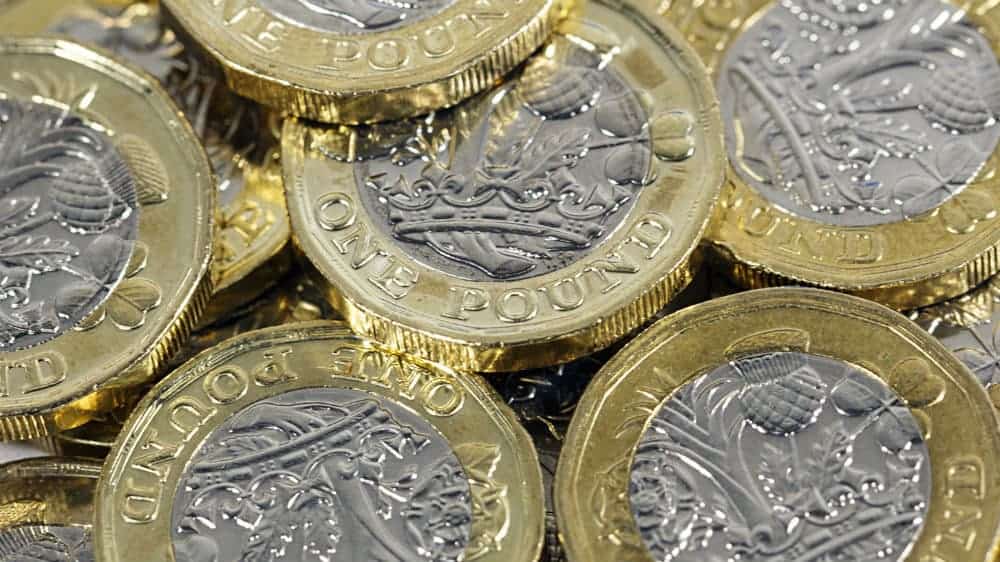
Increasingly, businesses and individuals regard coins and notes as an unnecessary inconvenience. Moves towards a cashless society are accelerating. However, according to the Access to Cash Review, around eight million adults in the UK would struggle to cope without using cash.
Can we all go cashless?
Currently, it is possible to purchase almost everything you need using cash and to receive payment in cash.
The government notes in the Financial Inclusion Report 2019-2020 that there are still almost one million Britons without a bank account. The state of being ‘unbanked’ is viewed as problematic, yet –
Safeguarding access to cash is also a crucial part of financial inclusion,
ensuring that all individuals across the UK are able to fulfil financial
transactions and participate in mainstream society.
The report states that 23% of UK payments in 2019 were made using cash.
The unbanked are not just those who prefer to keep their savings under the mattress. Some people in the UK are prevented from being cashless as they do not have proof of address to open an account, or their credit history is too poor.
Access to cash for those who do have a bank account is being reduced. Not only are banks closing branches, but cash machines are also rapidly disappearing. The Post Office will shut a third of its cash machines by March 2022.
Is cash becoming useless?
The pandemic is giving businesses an excuse to refuse to handle cash. It’s a nuisance to keep cash takings secure, balance the till and physically go to the bank. Some cash shoppers are finding that their method of in-person payment is becoming unacceptable.
Shopping online cannot be done with cash, and it is also impossible for anyone without access to the internet. The fiver in your Christmas card from Aunty Maud won’t get you anywhere on Amazon.
As retail outlets in town centres reduce their stock, or close, not having a bank account or debit card becomes increasingly inconvenient. Cheques are almost extinct, and it is possible that even credit cards will eventually be replaced by mobile payment systems.
In a cashless future, the ability to make digital transactions will be essential.
Disadvantages of going cashless: who will be affected?
Family economies
During tough financial times, getting seriously overdrawn at the bank is all too easy. Borrowing from family or friends can be a way to stay afloat, but a bank transfer in those circumstances may only go towards the debt. A cash loan, gift, or cash wages will buy essentials and groceries.
Many elderly people struggle to use their mobile to make a call, let alone to complete a transaction. Coins and notes circulate between the generations, as gifts, as payment for errands, and as funds kept in a safe place for emergencies. Children will need a bank account before they lose their first tooth so that the cashless tooth fairy can pay out.
The displaced
Refugees, the homeless, victims of domestic or financial abuse, all need cash to survive. An appropriate alternative must be in place before cash becomes obsolete.
Low-income households
Budgeting is essential when money is tight, and the most effective way to stay on track is by using cash. Those with lots of experience in managing with less – single parents, for example – swear by the cash envelope system. This involves dividing up the money you can spend each week into different envelopes for different purposes: groceries, travel, and even savings. That way, it’s impossible to overspend.
Taking a debit card with you to the shops means bringing everything you have in your account. It’s too easy to go over budget. Yes, you can manage in a cashless way with an app, but many charge a monthly fee to move your ‘cash’ around.
Cashless micro and start-up businesses
Businesses that grow from the ground up, organically, start very small. Cash is a great way to take payment before the business is big enough for a bank account and card reader.
Selling at craft fairs and festivals, offering products for sale at the side of the road, busking – the list of things people do to make a little extra is endless. All of these activities work very nicely with cash.
Charities
Big Issue vendors are now able to take digital payments, but spare change still plays a big part in spontaneous charity donations. Without coins, the amount of revenue lost to charities could be massive, despite the sector’s efforts to adapt.
Are we vulnerable in a cashless society?
Digital transactions are not 100% safe.
While cash is still available, financial institutions are not in total control of our money. In a cashless society, bank charges and surveillance could increase, and there would be no alternative other than cowrie shells, or bartering.