We have some exciting news to share! The Motley Fool UK has now become The Twelfth Magpie -- an independent, UK-owned company, led by our long-serving UK management team — Mark Rogers, Chris Nials and Heather Adlington. In practical terms, it’s the same team you know, now fully focused on serving our UK readers and members.

Just as importantly, our approach remains unchanged: long-term, jargon-free, and on your side. This site is our new home, and there will be extra tweaks made across the coming few days as we settle in. So if anything looks a little off, please bear with us!

The content of this article was relevant at the time of publishing. Circumstances change continuously and caution should therefore be exercised when relying upon any content contained within this article.

3 surprising things that could hurt your credit score

Three things that you wouldn’t necessarily expect to have an impact on your credit score.

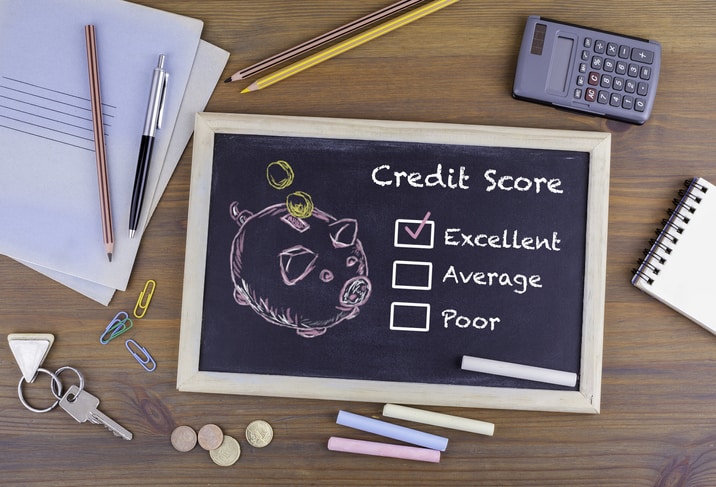
Excellent Credit Score concept

Source: Getty Images

You’re reading a free article with opinions that may differ from The Twelfth Magpie’s Premium Investing Services. Become a member today to get instant access to our top analyst recommendations, in-depth research, investing resources, and more. Learn more, and get a free 'Best Buy Now' stock!.

We all know how important our credit score can be when applying for a credit card, and most of us know the basics of what could hurt our credit score. Things like missed payments, not being registered to vote and too many credit card applications are widely known to leave you with a less than pristine score.

But the following are three surprising things that might you might not be thinking of, but could hurt your credit score.

Should you buy Rolls Royce shares today?

Before you decide, please take a moment to review this report first. Despite ongoing uncertainties from US tariffs to global conflicts, Mark Rogers and his team believe many UK shares still trade at substantial discounts, offering savvy investors plenty of potential opportunities to learn about.

That’s why this could be an ideal time to secure this valuable research – Mark’s analysts have scoured the markets to reveal 5 of his favourite long-term ‘Buys’. Please, don’t make any big decisions before seeing them.

The 30% rule

You may think that having one credit card and using that solely for your spending may be a good thing for your credit score. But if your balance goes above 30% of your credit limit you may actually be hurting not helping your score.

When credit rating agencies are conducting a credit check they will look at your credit utilisation. This is how much of your credit is available and therefore are you showing good borrowing practices. The general rule is that if you keep your balance to below 30% of your credit limit then you will not hurt your credit score, but if your balance creeps up to between 50% and 70% of your credit limit then this will show up as an ‘amber flag’ on your credit report. If you are using more than 75% of your total credit limit then this will be classed as a ‘red flag’.

Don’t be tempted therefore to take out multiple cards in order to spread out the balances. This in itself could impact your score, as credit rating agencies will look at all credit accounts you have available to you, and whether or not you are in a position to pay off all forms of borrowing.

Length of accounts

While there may be campaigns and incentives from banks and building societies tempting you to switch your current account, particularly following the introduction of the Current Account Switch Guarantee in 2013, this could actually have an impact on your credit score.

Credit rating agencies will look at the length you have held your accounts as part of the criteria they assess for your credit score. If you chop and change frequently this could be seen as unreliable and therefore negatively impact your score. They will be looking for accounts that have been well-managed for a long period of time, so even if you were just taking advantage of some of the switch incentives on offer, the unseen cost could be to your credit score.

Multiple names

This seems obvious, but it could also be something easily overlooked. Make sure that all your accounts are under one name. You may be like myself and be called Katherine, but go by the name of Kate. However, if some of your accounts are under Kate Anderson and some are under Katherine Anderson then it could impact your score. Lenders are looking for reliability and multiple account names could cause confusion.

Credit ratings agencies will also check the electoral roll to see if you are who you say you are, therefore make sure any financial accounts (banks accounts, direct debits, credit cards, mortgages, etc.) match the name you have registered to vote with. Any discrepancies could lead to misunderstandings and a lowering of your credit score.


If you’ve followed good credit practices like these, then you may well qualify for some of the top-rated credit card offers for 2019

The Motley Fool receives compensation from some advertisers who provide products and services that may be covered by our editorial team. It’s one way we make money. But know that our editorial integrity and transparency matters most and our ratings aren’t influenced by compensation. The statements above are The Motley Fool’s alone and have not been provided or endorsed by bank advertisers. The Motley Fool has recommended shares in Lloyds, Tesco and Barclays.

More on Personal Finance

happy senior couple using a laptop in their living room to look at their financial budgets
Investing Articles

Plan to fund your retirement with just the State Pension? Good luck with that!

The UK's State Pension is ranked as one of the worst among the world's developed economies. Consider this alternative to…

Read more »

Note paper with question mark on orange background
Personal Finance

Should you invest your ISA in a model portfolio?

Which model ISA portfolios offer both high performance and low fees? Hargreaves Lansdown, Interactive Investor and AJ Bell go under…

Read more »

Economic Uncertainty Ahead Sign With Stormy Background
Personal Finance

Is it time to exit emerging markets investments?

Investors may well be sitting on losses from emerging markets funds. Is it worth keeping the faith for a sustained…

Read more »

Personal Finance

Share trading? Three shares with turnaround potential

Share trading has been difficult in 2022, but which companies have turnaround potential? Jo Groves takes a closer look at…

Read more »

Man using credit card and smartphone for purchasing goods online.
Personal Finance

Revealed! Why Gen Z may be the savviest generation when it comes to credit cards

New research reveals that Gen Z may be the most astute when it comes to credit cards. But why? And…

Read more »

Environmental technology concept.
Personal Finance

The 10 best-performing sectors for ISA investors

The best-performing sectors over the past year invested in real assets such as infrastructure, but is this trend set to…

Read more »

Road sign warning of a risk ahead
Personal Finance

Recession risk ‘on the rise’: is it time for investors to worry?

A major global bank has suggested the risk of a recession in the UK is 'on the rise'. So, should…

Read more »

pensive bearded business man sitting on chair looking out of the window
Personal Finance

1 in 4 cutting back on investments amid cost of living crisis

New research shows one in four investors have cut back on their investing contributions to cope with the rising cost…

Read more »